Cabo Verde

Nationally determined contribution
Targets
Cape Verde commits to reducing GHG emissions with more comprehensive targets consistent with the national goal of reaching net zero emissions by 2050. By 2030 Cape Verde commits to GHG emissions reduction of 18% (unconditional) and up to 28% (conditional) compared to BAU. This translates to approximately 218 to 334 ktCO₂e by 2035 of reductions, including LULUCF. By 2035, Cape Verde commits to GHG emissions reduction of 18% (unconditional) and up to 39% (conditional) compared to BAU. This translates to approximately 242 to 528 ktCO₂e by 2035 of reductions, including LULUCF. Sectoral targets: Energy (-43%), Waste (-18%), IPPU (-80%), LULUCF (-21%).
The NDC 3.0 also updates Cape Verde’s reference year from 2015 to 2023 representing the most current and robust dataset available.
Article 6 engagement
Cabo Verde supports the use of all of the enhanced ambition instruments under Art. 6 of the Paris Agreement, focusing on energy and mobility under the provision on cooperative approaches (Art. 6.2 Paris Agreement) and on targeting adaptation benefits for rural communities (food and water security and healthy soils) as well as interventions on sustainable tourism and blue habitats (ecosystem services from coastal wetlands and marine resources) under the non-market approaches provision (Art. 6.8 Paris Agreement). Cabo Verde indicates that using the 6.4 mechanism will be used selectively where methodologies and supervision add value and that the voluntary market activities will be allowed only under strict integrity and transparency rules.
Mitigation activities
Cape Verde lists five mitigation contributions, containing several measures:
Energy
- Reduce energy intensity and promote efficiency
- Increase renewable energy targets
Transport
- Reduce the carbon intensity of land mobility and aviation
Waste management
- Promote sustainable waste management
Agriculture, forestry, and other land-use
- Promote the natural sink function of ecosystems
Phase down of Fluorinated refrigerants
- Promote the replacement of fluorinated gases with alternatives with lower global warming potential
Sectors covered by the NDC
Energy; Industrial processes; Agriculture; Waste; Land Use, Land-Use Change and Forestry (LULUCF).
Finance needs
The total estimated funding needs for mitigation amount to 3.4 billion USD by 2050 whereas the financial need for adaptation is 30.6 million EUR in the period between 2022 and 2026.
Carbon pricing
Status
Not available
Carbon markets
National entities responsible for carbon markets
Ministry in charge of carbon markets
Ministério da Agricultura e Ambiente
Article 6.4 DNA
Mr. Alexandre Nevsky Gomes Medina Rodrigues
alexandre.m.rodrigues@maa.gov.cv
CDM DNA
Mr. Alexandre Nevsky Gomes Medina Rodrigues
Article 6 strategy and regulations
Not available
National registry
Not available
Pipeline
Article 6
Bilateral agreements
- N/A
Mitigation activities
- N/A
CDM
Data
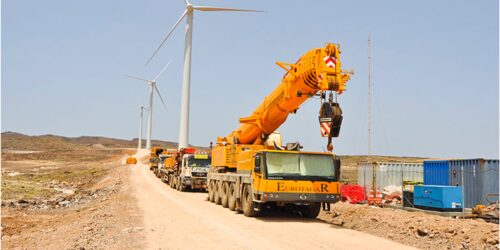
As of March 12th, 2024, RE projects are the only CDM activity in Cape Verde with issued credits, accounting for a total of 402.92 kt.
2015 was the year with the largest volume of issued credits for RE projects, with 92.31 kt issued.
Voluntary Carbon Market
Partnerships and capacity building initiatives
Identified support needs
- Not available
Capacity building initiatives
- Not available
For further initiatives in West Africa, please refer to: A6IP Article 6 Capacity Building Activity Database.
National platform
National platforms consist of the respective Ministry in charge of NDC and carbon market implementation, an informal stakeholder network of public, private and non-state actors involved and influential for the successful implementation of carbon markets. The actors forming the national platform for the country are included in the stakeholder database below.
Download list of national stakeholdersClimate Finance
National Designated Authority for climate finance

According to a Climate Policy Initiative analysis (2022), the total climate finance flows into Cape Verde amounted to 27 million USD (2019) and 16 million USD (2020), covering 9.3% of national needs.
Open the UNFCCC Climate Finance Data Portal